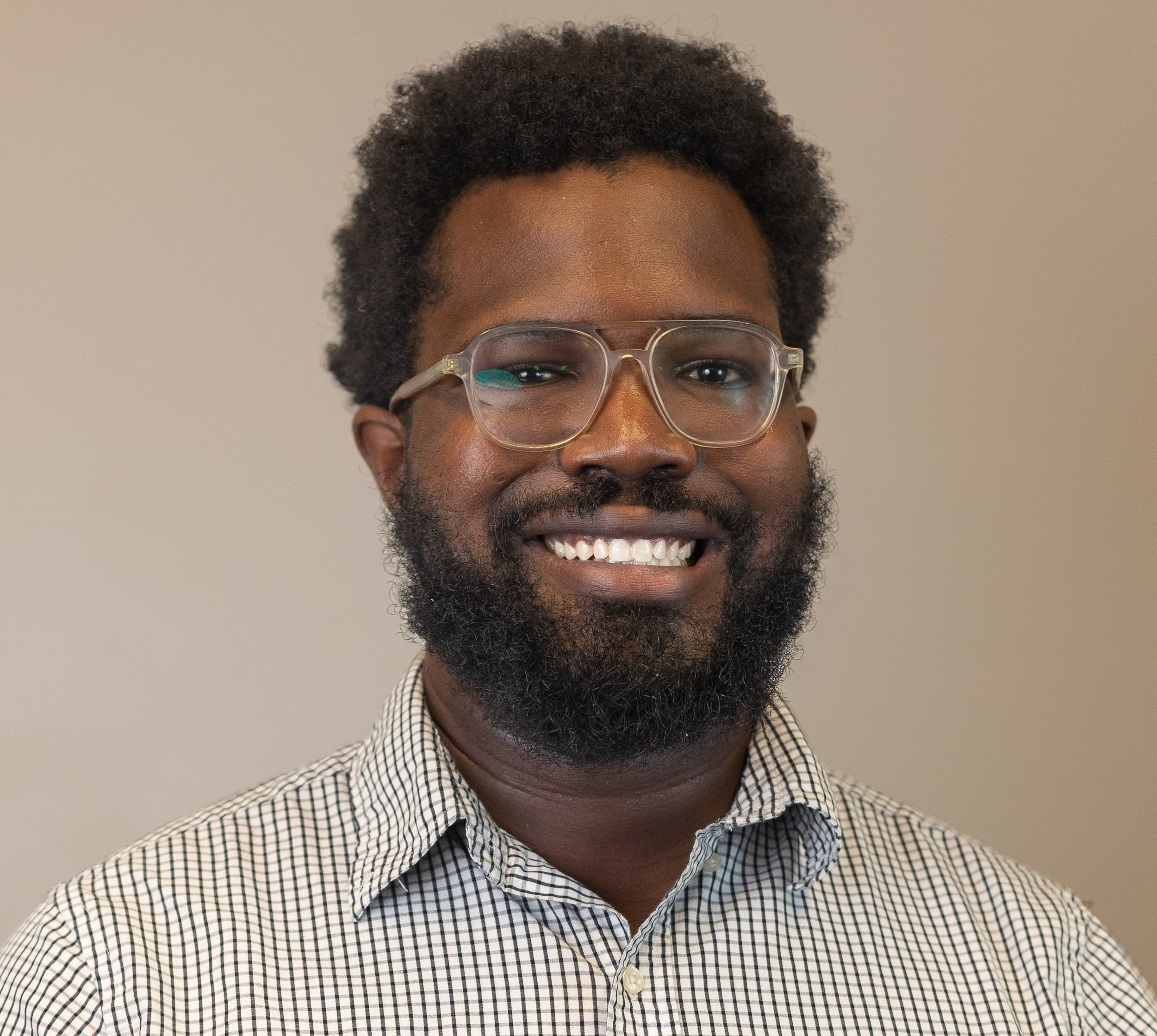
Otuoze Baiye, founder of Black Knight Risk Management, is our guest in this edition of our Ace Founder Spotlight Series.
With a highly unique background as a West Point graduate, former Army Missile Defense Officer, and federal bank regulator, Otuoze brings a rare perspective to the cybersecurity and technology risk space.
Today, he helps regulated firms and government agencies safely implement emerging technologies like AI, ensuring they meet their business goals without running afoul of complex compliance laws.
I sat down with him for the podcast to discuss the realities of bootstrapping a startup, his cross-functional approach to deploying AI, and how he overcomes the "cringe" factor to build a powerful personal brand on LinkedIn.
Both questions and answers have been lightly edited for length and clarity.
The Conversation
What is one thing about being a founder that nobody warned you about?
It is a lot of work. No matter what type of business you get into, in the early days, you are going to have to do everything.
I was in the Army, which is a 24/7 job, and I always tell people I have never worked this hard in my entire life.
I am doing business development, finance, HR, marketing, and web development just to try and scale.
Are you finding you need to prioritize some things over others to avoid burnout?
Yes, priorities have been a major theme. In order to get to where I want Black Knight to be, there are certain rooms I need to be in with bank and government leaders.
But to get there, I had to build credibility and a digital presence.
You have to balance building a website and posting on LinkedIn with making time to meet people in person. You have to fit it all into your day, which means prioritizing other aspects of your life.
It had been a long time since I just went out to the bar with friends because you just can't always do it.
What is your background, and how did you land in the cybersecurity industry?
I never planned any of this. I went to West Point and ended up as an Army Missile Defense Officer.
I led a team of 50 people on a $100 million defense program, making sure the missile systems were combat-capable.
After being medically separated from the Army, I got a master's degree in cybersecurity.
The military experience translated perfectly. The CIA triad in cyber—Confidentiality, Integrity, and Availability—was exactly what I was doing to protect military systems.
From there, I found a job online as a bank regulator for New York State, eventually moving to the federal government.
After nine years in government, I decided to start my own company rather than getting drowned out in a massive corporate environment.
What is the story behind the name Black Knight Risk Management?
The Black Knight is one of the mascots and symbols for West Point. I wanted something simple that stood out but tied back to my roots.
When people who know West Point hear "Black Knight," they immediately know it's a veteran-owned company.
Even if you don't know the military connection, people associate a knight with discipline, chivalry, and defending others from undue risk, which is exactly what my company does.
How would you explain what you do to a prospect?
I help executives at regulated firms and government agencies manage their technology risk and grow while using emerging tech.
For example, if a bank's board wants to implement an AI chatbot, you can't just tell IT to build a product and leave them alone.
I bring IT, business leads, finance, compliance, and HR together to map out the business problems and compliance risks.
We develop the plan cross-functionally so there is complete organizational buy-in and it isn't wasted spending.
Does coordinating all those departments make your job a little more difficult?
1,000%, because people have their own personalities, goals, and fears.
A lot of times, AI implementation streamlines internal work processes, so when someone like me comes in, employees worry I am there to recommend firing entire departments.
I have to build a lot of trust.
I assure them I am not there to make management decisions; I am there for process improvement and to figure out how to make the team they currently have better using technology.
Who is your ideal customer profile (ICP) and decision maker?
I look for executive decision-makers. In the private sector, I am looking to talk to the CFO or CIO at a financial institution.
I also spend time with influencers—senior technology managers who might not have the authority to hire me directly, but can champion my services to their directors.
On the government side, I look for contracting officers who understand the agency's problems so they can connect me directly with their operators.
What is your main unique selling proposition (USP) compared to the competition?
It is my background. There are not a lot of people in the world who have been both missile defense officers and bank regulators.
I don't just understand operational concerns; I understand the regulation of technology intimately.
As a bank examiner, I would spend weeks with the C-suites of organizations mapping out their operational risk.
I can advise these companies because I used to grade the very organizations I now help.
You post a lot on LinkedIn. How are you using it, and what strategy is effective?
To use LinkedIn well, you just have to get over years of looking or being "cringe".
If you want engagement, you have to share personal stories that give a touch to what you're doing in business.
I recently posted a goofy video of myself doing an indoor obstacle course at West Point nine years ago, and tied it into navigating obstacles as an entrepreneur.
Sharing those authentic stories is what gets prospects to check out my website and ultimately do business with me.
I also use AI to help me write, but I am very careful to give it context so it maintains my authentic voice.
What is one final tip you would leave our audience with?
Connect with people. Make connections, say yes to as many things as possible, and step out of your comfort zone to see where it carries you.
I met you because I attended a Cyber Breakfast Club event, struck up a conversation with a previous guest of yours, and we eventually became business partners who refer each other to opportunities like this podcast.
Closing thoughts
Otuoze’s journey demonstrates how diverse experiences—from the military to federal regulation—can forge a highly specialized and valuable consulting business. Key takeaways include:
Translation of Skills: Core principles of risk management (Confidentiality, Integrity, Availability) apply just as heavily to military defense systems as they do to modern cybersecurity frameworks.
Siloes Kill Innovation: Implementing AI shouldn't just be an IT project. Successful deployment requires cross-functional collaboration to alleviate employee fears and map out holistic business goals.
Nail Your ICP: Navigating complex organizations requires a dual approach: winning over the C-suite decision-makers who hold the budget, while simultaneously building trust with the internal influencers who champion the actual tech.
Embrace Authenticity on Social Media: Overcoming the fear of posting "cringe" content is essential for founder-led growth. Authentic, personal storytelling drives the real engagement that leads to business conversations.
Connect With Our Guest
Website: blackknightrm.com
LinkedIn: Otuoze Baiye
Black Knight LinkedIn